Harringay Ladder upholstery cleaning and stain removal: a practical local guide
If your sofa has picked up a tea mark, a mystery grease patch, or that faint all-over dullness that seems to appear after a few busy months, you are not alone. In a place like the Harringay Ladder, where homes are lived in properly and not treated like showrooms, upholstery gets a lot of daily wear. Harringay Ladder upholstery cleaning and stain removal is really about two things: restoring the look and feel of your furniture, and protecting fabrics before small marks become permanent headaches.
This guide walks through what actually works, what to avoid, and how to judge whether a stain can be safely treated at home or should be left to a professional cleaner. Along the way, we'll keep things grounded in real-world use, because let's face it, a sofa is there to be used. Spilled drinks happen. Pet hair happens. Life happens.
For readers comparing services or planning a broader refresh, it can also help to look at the wider picture of professional cleaning services in Harringay, especially if carpets, mattresses, or busy communal areas need attention at the same time.
Table of Contents
- Why Harringay Ladder upholstery cleaning and stain removal Matters
- How Harringay Ladder upholstery cleaning and stain removal Works
- Key Benefits and Practical Advantages
- Who This Is For and When It Makes Sense
- Step-by-Step Guidance
- Expert Tips for Better Results
- Common Mistakes to Avoid
- Tools, Resources and Recommendations
- Law, Compliance, Standards, or Best Practice
- Options, Methods, or Comparison Table
- Case Study or Real-World Example
- Practical Checklist
- Conclusion
- Frequently Asked Questions
Why Harringay Ladder upholstery cleaning and stain removal Matters
Upholstery is one of those things people stop noticing until it starts looking tired. In a busy home, a sofa or armchair absorbs body oils, dust, crumbs, pet dander, smoke residue, drink spills, and the occasional knock from shoes, bags, or children racing past. Over time, that build-up changes both the appearance and the hygiene of the fabric.
Stain removal matters because upholstery is not like a hard surface. You cannot simply scrub harder and hope for the best. Many fabrics react badly to excess water, harsh detergents, or over-aggressive brushing. A small spill treated the wrong way can spread deeper, set the stain further, or leave a water ring that looks worse than the original mark. Bit annoying, honestly.
In the Harringay Ladder, where many households balance work, family life, pets, and the usual London pace, upholstery cleaning is also a practical upkeep choice. It can help furniture last longer, reduce that stale indoor smell that creeps in during winter, and make a room feel cleaner without replacing anything. That last bit matters more than people admit. A refreshed sofa can change the whole room.
If you are thinking about upholstery as part of a bigger home reset, the local context matters too. People preparing to move, rent out, or simply improve a property often combine furniture cleaning with broader domestic care. Some also look at domestic cleaning in Harringay or even house cleaning support when the job has grown beyond a single stain.
Expert takeaway: upholstery cleaning is not just cosmetic. Done properly, it protects fabric, supports a healthier home environment, and stops minor spills turning into permanent damage.
How Harringay Ladder upholstery cleaning and stain removal Works
The basic process is simple to describe, but the detail matters. Good upholstery cleaning starts with identifying the fabric type, the construction of the furniture, and the nature of the stain. A velvet armchair needs a very different approach from a synthetic dining chair seat, and a fresh coffee spill is not the same as an old grease mark.
1. Identify the fabric and care label
The first step is checking what the upholstery is made from and whether the manufacturer has left care instructions. Some fabrics tolerate water-based cleaning better than others. Others can shrink, distort, or watermark if they get too wet. If the label is missing, faded, or unclear, proceed carefully. Truth be told, that label can save a lot of drama.
2. Test before treating
Any cleaning solution should be tested on a small, hidden area first. This is not overcautious; it is sensible. A patch test shows whether the cleaner causes colour loss, texture change, or pile distortion. On older furniture, especially, the dye may be more fragile than it looks.
3. Remove loose debris
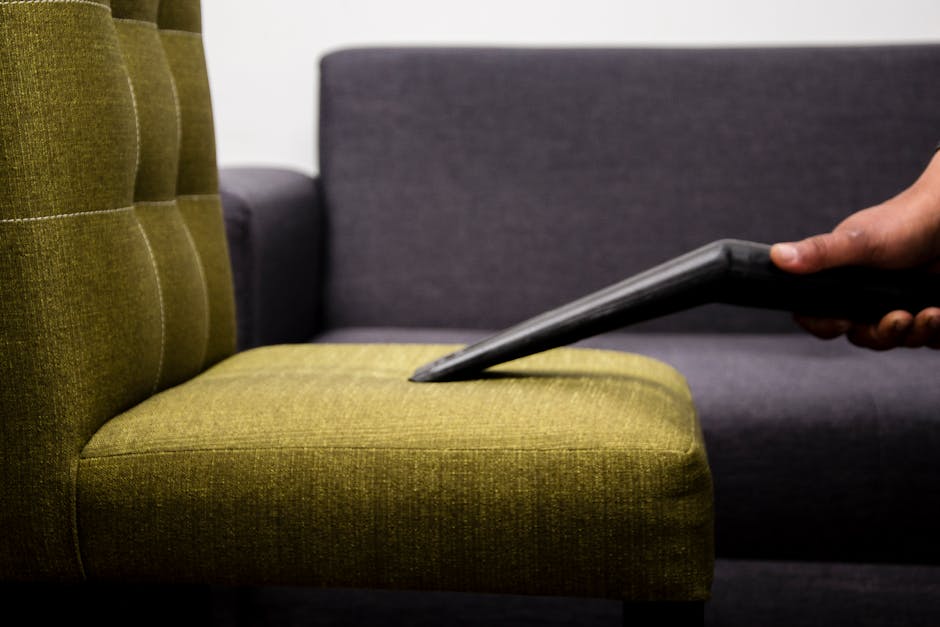
Vacuuming comes before liquid cleaning. Dust, grit, pet hair, and crumbs should be removed from seams, creases, and under cushions. If you skip this, the dry debris can smear into the fabric once moisture is added. It sounds basic, and it is, but basic steps are often the ones people rush.
4. Treat the stain according to its type
Different stains behave differently. Food and drink stains may respond to controlled moisture and gentle blotting. Grease stains usually need absorbent treatment and a suitable solvent or specialist product. Ink, dye transfer, makeup, and tannin-based stains can be trickier and may require professional products or methods.
5. Clean the full panel, not just the spot
One of the biggest mistakes in stain removal is treating only the centre of the mark. That can leave tide lines, rings, or a visible patch where the spot was cleaned. Often the smarter move is to clean the whole cushion panel or fabric section so the finish remains even.
6. Dry properly
Drying matters as much as cleaning. Upholstery that stays damp too long can develop odours or encourage mould in hidden layers. Good airflow, moderate warmth, and time are all part of the job. No shortcuts, really.
For tougher carpets and furnishing combinations, some people book upholstery and floor care together. If that sounds like your household, the local carpet cleaning service in Harringay can be useful as part of a fuller refresh, especially after pets, parties, or end-of-year deep cleans.
Key Benefits and Practical Advantages
People usually think about upholstery cleaning only when something goes wrong, but there are everyday benefits that are easy to miss until you've had the work done.
- Better appearance: the fabric looks fresher, brighter, and less tired.
- Improved smell: lingering food, smoke, and pet odours can be reduced.
- Longer furniture life: dirt acts like sandpaper on fibres; removing it helps protect the material.
- Less risk of permanent staining: early treatment gives you a much better chance of success.
- More comfortable living spaces: a clean sofa genuinely changes how a room feels.
- Better presentation for visitors or tenants: especially useful when selling, letting, or hosting.
There is also a practical money angle. Replacing a sofa, armchair, or dining suite is rarely cheap. If the frame and fabric are still structurally sound, cleaning can be the more sensible first step. Not glamorous, but sensible.
And if you are planning property work around the area, it helps to think beyond the furniture itself. Some homeowners in the Ladder look at wider neighbourhood and property information too, such as this guide to Harringay real estate or local property market tips, because presentation and upkeep often go hand in hand.
Who This Is For and When It Makes Sense
Harringay Ladder upholstery cleaning and stain removal makes sense for a lot of people, but the trigger is not always the same.
Homeowners
If your sofa is part of daily life, a periodic clean helps keep the whole room feeling cared for. Families with children, pets, or regular visitors tend to notice the difference most quickly.
Renters
If you rent, it is worth checking your tenancy obligations before doing any DIY treatment that could leave a mark. For people moving out, professional upholstery cleaning can be a sensible part of the broader clearance process, especially when paired with end of tenancy cleaning in Harringay.
Landlords and letting agents
Clean upholstery can help a property present better and feel more cared for during viewings. It is not a magic fix, of course, but it supports the overall impression.
Pet owners
Pet hair, muddy paws, and the odd accident are part of life with animals. Upholstery cleaning helps keep smell under control and reduces the sort of build-up that quickly becomes noticeable to guests.
People hosting events or gatherings
If you are welcoming friends, family, or colleagues, clean seating makes the space feel calmer and more inviting. That may sound a bit obvious, but it matters. We notice these things more than we think.
For those planning something social in the area, there is a nice local connection between a well-kept home and the wider neighbourhood experience. You might even enjoy reading about great event locations in Haringey or the local Haringey atmosphere while planning around your home refresh.
Step-by-Step Guidance
If you want to tackle a stain carefully at home, use a measured approach. The key is not speed. The key is control.
- Act quickly, but don't panic. Blot fresh liquid with a clean white cloth or paper towel. Do not rub.
- Check the fabric code or care label. If the fabric is marked as sensitive, avoid experimenting.
- Vacuum the area first. Remove dust and grit from around the stain.
- Patch test your chosen cleaner. Test on a hidden corner and wait for it to dry.
- Apply very little product. Use the minimum amount needed. More is not better.
- Work from the outside in. This helps stop the stain spreading outward.
- Blot, don't scrub. Gentle pressure is safer for most fabrics.
- Lift residue carefully. Use a clean damp cloth if the fabric allows it.
- Dry the area thoroughly. Open windows if possible and avoid sitting on the furniture until it is properly dry.
- Inspect once dry. Some stains reappear slightly after drying, especially if they soaked deeper into the fibres.
For delicate fabrics, old stains, or valuable pieces, stop after the initial blotting and call in help. It sounds cautious because it is. But cautious is often cheaper than replacing a seat cushion.
Expert Tips for Better Results
A few habits make a big difference, especially if you want the upholstery to stay cleaner for longer.
- Deal with spillages early. Fresh stains are much easier than aged ones.
- Rotate cushions regularly. This helps wear stay even and slows down visible shading.
- Use a soft brush on seams. Dirt collects where the fabric folds.
- Avoid soaking the filling. Too much moisture can create odour or a longer drying time.
- Keep a small cleaning kit handy. A white cloth, gentle fabric-safe cleaner, and absorbent paper are usually enough for first response.
- Think in terms of prevention. Throws, removable covers, and prompt vacuuming all reduce heavy cleaning needs.
One useful little habit: keep an eye on armrests and headrests. Those areas pick up body oils first, and they often look dull before the rest of the sofa does. A quick clean there can make the whole piece look better. Funny how that works.
If you also need a more general cleaning service in the property, you may want to look at office cleaning in Harringay for workspaces or dedicated upholstery cleaning in Harringay for a more structured furniture-focused service.
Common Mistakes to Avoid
Most upholstery damage during stain removal happens because someone is trying to be helpful too quickly. It happens all the time.
- Rubbing hard. This can push the stain deeper and rough up the fabric surface.
- Using too much water. Excess moisture can spread the stain and damage the padding.
- Skipping a patch test. A cleaner that works on one fabric may ruin another.
- Mixing products. Combining cleaners can create unpredictable results and unpleasant fumes.
- Using coloured cloths. Dye transfer from a cloth can make the stain worse.
- Ignoring drying time. Damp upholstery is a bad idea for smell, shape, and hygiene.
- Focusing only on visible colour. Some residues stay in the fibres even after the surface looks better.
Another mistake is assuming every stain is the same. Coffee, red wine, grease, ink, makeup, and mud all behave differently. If a cleaner treats them all the same, that is not expertise. That is guesswork dressed up as confidence.
Tools, Resources and Recommendations
You do not need a giant kit to handle basic upholstery care. In most homes, a modest, well-chosen set of tools is enough.
| Tool or item | Why it helps | Best use |
|---|---|---|
| Vacuum with upholstery attachment | Removes dust and loose debris before cleaning | Routine maintenance and pre-cleaning |
| White microfibre cloths | Reduces dye transfer risk and absorbs liquid well | Blotting fresh spills and lifting residue |
| Soft brush | Helps loosen dry dirt from seams and textured fabrics | Routine upkeep and gentle stain work |
| Fabric-safe cleaner | Targets marks without relying on harsh chemicals | Small, tested stain treatments |
| Dry towels | Help absorb moisture after spot cleaning | Final drying stage |
If you are choosing between doing it yourself and booking help, the deciding factors are usually fabric type, stain age, and how much risk you are comfortable with. A fresh spill on a synthetic chair? DIY may be fine. An old stain on a pale linen sofa? Better to tread carefully.
Some readers like to compare service options and payment information before booking, which is fair enough. A quick look at pricing and quotes can help set expectations, while payment and security information and insurance and safety details add useful reassurance.
Law, Compliance, Standards, or Best Practice
Upholstery cleaning is not usually a heavily regulated consumer job in the way some trades are, but good practice still matters. If you are hiring a cleaner, you want them to operate safely, communicate clearly, and handle products responsibly. That includes being careful with chemicals, following fabric care instructions, and managing waste and moisture properly.
In a home or rental setting, the main considerations are usually practical rather than legal: avoid damaging the furniture, keep the space safe to use, and make sure any work is carried out with suitable care. For landlords and tenants, tenancy agreements may also include expectations around condition and cleaning, so it is sensible to read those before taking action. Nothing dramatic, just sensible housekeeping.
It is also worth checking whether a provider has clear policies for complaints, safety, and general terms. Those pages tell you a lot about how the business works behind the scenes. If you want to understand that side a little better, the site's complaints procedure, terms and conditions, and health and safety policy are all useful reference points.
Options, Methods, or Comparison Table
There is no single best method for every stain. The right choice depends on the fabric, the spill, and the condition of the upholstery.
| Method | Best for | Pros | Limitations |
|---|---|---|---|
| Blotting and gentle spot cleaning | Fresh spills on suitable fabrics | Fast, low-cost, easy to attempt | Limited on set-in or greasy stains |
| Foam or low-moisture treatment | Delicate fabrics and lighter soiling | Reduces water exposure | May not fully remove heavy staining |
| Deep professional cleaning | Heavily used sofas, older marks, mixed fabric issues | More thorough and controlled | Costs more and may require drying time |
| Targeted stain treatment only | Small isolated spots | Quick for a one-off mark | Can leave visible edges if not blended well |
For many households, the smartest answer is a mix: regular vacuuming, careful spot treatment for small incidents, and periodic professional cleaning when the furniture starts to lose its freshness. That balance is usually better than waiting until everything looks rough all at once.
Case Study or Real-World Example
Imagine a typical Harringay Ladder living room on a rainy Thursday evening. A couple of mugs on the coffee table, a child darting past, and a splash of tea on a light-coloured sofa. Nothing wild, just ordinary life. The mark is fresh, so the first response is blotting with a white cloth. No rubbing. Then a small patch test on a hidden area near the base.
The cleaner notices the fabric is a soft synthetic blend, which is more forgiving than a delicate natural fibre. A mild fabric-safe solution is applied lightly to the stain edge, working inward. The whole cushion panel is then gently blended so the treated area does not stand out. A fan is not necessary, but a window is opened and the room is left airy for the evening.
By the next day, the stain has faded significantly and there is no ring left behind. If the same spill had been on a vintage armchair with a more sensitive weave, the approach would have been different. Slower. More cautious. Possibly professional from the start.
That is the real point: matching the method to the material. Not every sofa wants the same treatment, and a bit of judgement goes a long way.
Practical Checklist
Use this quick checklist before you start cleaning upholstery at home:
- Identify the fabric type if possible.
- Check the care label or manufacturer guidance.
- Vacuum the upholstery thoroughly.
- Test any cleaner on a hidden spot.
- Blot fresh spills immediately.
- Use as little liquid as possible.
- Avoid scrubbing or over-brushing.
- Work from the edge of the stain inward.
- Allow proper drying time with airflow.
- Stop if the colour lifts, the fabric distorts, or the stain spreads.
If you reach the last point, that is usually the moment to step back. No shame in that. Some jobs are best left alone before they get complicated.
Conclusion
Harringay Ladder upholstery cleaning and stain removal is ultimately about care, timing, and the right method for the fabric in front of you. A fresh spill treated early may need only simple blotting. A stubborn or aged stain may need a more measured approach, or professional help, to avoid making the problem worse. Either way, the goal is the same: keep your furniture looking good, feeling comfortable, and lasting longer.
For many local homes, this is not just a cosmetic job. It is part of sensible maintenance. A clean sofa makes a room feel calmer, a little brighter, and more welcoming. In a busy London home, that really does matter.
Get a free quote today and see how much you can save.
If you want to explore broader local reading as you plan your next refresh, you may also enjoy resident views on living in Harringay or the main blog archive for more area-focused guidance.
Frequently Asked Questions
What is the best first step for a fresh upholstery stain?
Blot the area gently with a clean white cloth or paper towel straight away. Do not rub, because rubbing usually spreads the stain and pushes it deeper into the fibres.
Can I use the same cleaner on every type of upholstery?
No. Different fabrics react differently to moisture, chemicals, and friction. Always check the care label and patch test first, even if the product says it is suitable for upholstery.
How do I know if a stain is too risky to clean myself?
If the fabric is delicate, the stain is old, or the upholstery is expensive or sentimental, it is safer to avoid experimenting. Water-sensitive fabrics and dye-prone materials deserve extra caution.
Why does a stain sometimes come back after drying?
Because residue can sit deeper in the fabric or padding and rise back to the surface as the upholstery dries. This is common with spills that soaked in before treatment began.
Is steam cleaning safe for all upholstery?
No. Steam or hot-water methods are not suitable for every fabric. Some materials can shrink, distort, or watermark if they are exposed to too much heat or moisture.
How often should upholstery be professionally cleaned?
That depends on use. Busy family homes, pet households, and heavily used sofas often benefit from periodic professional cleaning, while lightly used furniture may need it less often.
Can stain removal damage the colour of my sofa?
It can if the wrong product or method is used. That is why patch testing is so important. On some fabrics, even too much water can alter the look of the cleaned area.
What stains are the hardest to remove from upholstery?
Grease, dye transfer, ink, makeup, and old food or drink stains can be difficult. The longer a stain sits, the more likely it is to bond with the fibres.
Should I clean just the stain or the whole cushion?
In many cases, cleaning the whole cushion panel or fabric section gives a more even result. Spot-only treatment can leave rings or a visible cleaned patch.
How long does upholstery take to dry after cleaning?
Drying time varies depending on the fabric, amount of moisture used, room temperature, and airflow. Good ventilation helps, and it is wise to avoid using the furniture until it is fully dry.
Does upholstery cleaning help with smells as well as stains?
Yes, often it does. Many lingering odours come from trapped dirt, spills, or pet-related build-up in the fibres. Cleaning can make the whole room feel fresher.
Where can I find broader cleaning support in the area?
If you need more than one part of the property refreshed, it can help to review the wider range of local cleaning pages and support information, including services, pricing, and safety details before booking.